
When people evaluate solar lighting, they look at wattage, panel size, design, and price. The battery chemistry rarely comes up — and that's often where solar lighting systems quietly fall short.
At Bullard Solar, we made a deliberate choice to engineer our products around lithium battery technology from the ground up. Not as a feature to list on a spec sheet, but as a foundational decision that shapes how every product performs, how long it lasts, and what it actually costs over time.
For decades, lead-acid batteries were the default in solar lighting. They're inexpensive upfront and widely understood. But they come with limitations that only reveal themselves once a system is installed and operating.
Lead-acid batteries degrade quickly in heat, perform poorly in cold, and lose meaningful capacity each year. In outdoor solar applications — where the battery cycles every single day and is expected to last years without replacement — that degradation curve matters.
A system that performs well in year one may be running at half capacity by year four. They're also heavy, require ventilation to manage off-gassing, and can't be discharged deeply without accelerating wear.
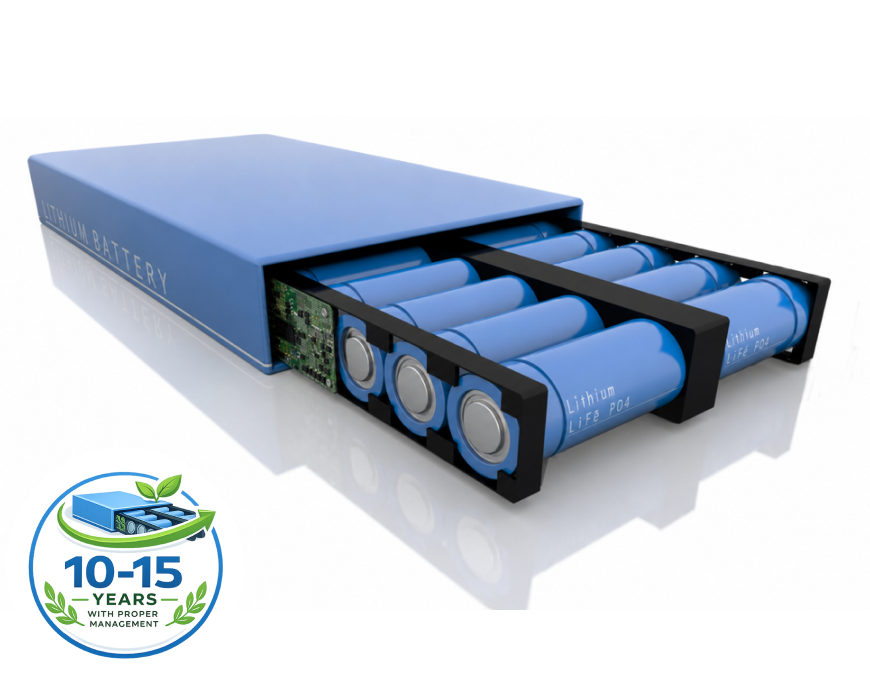
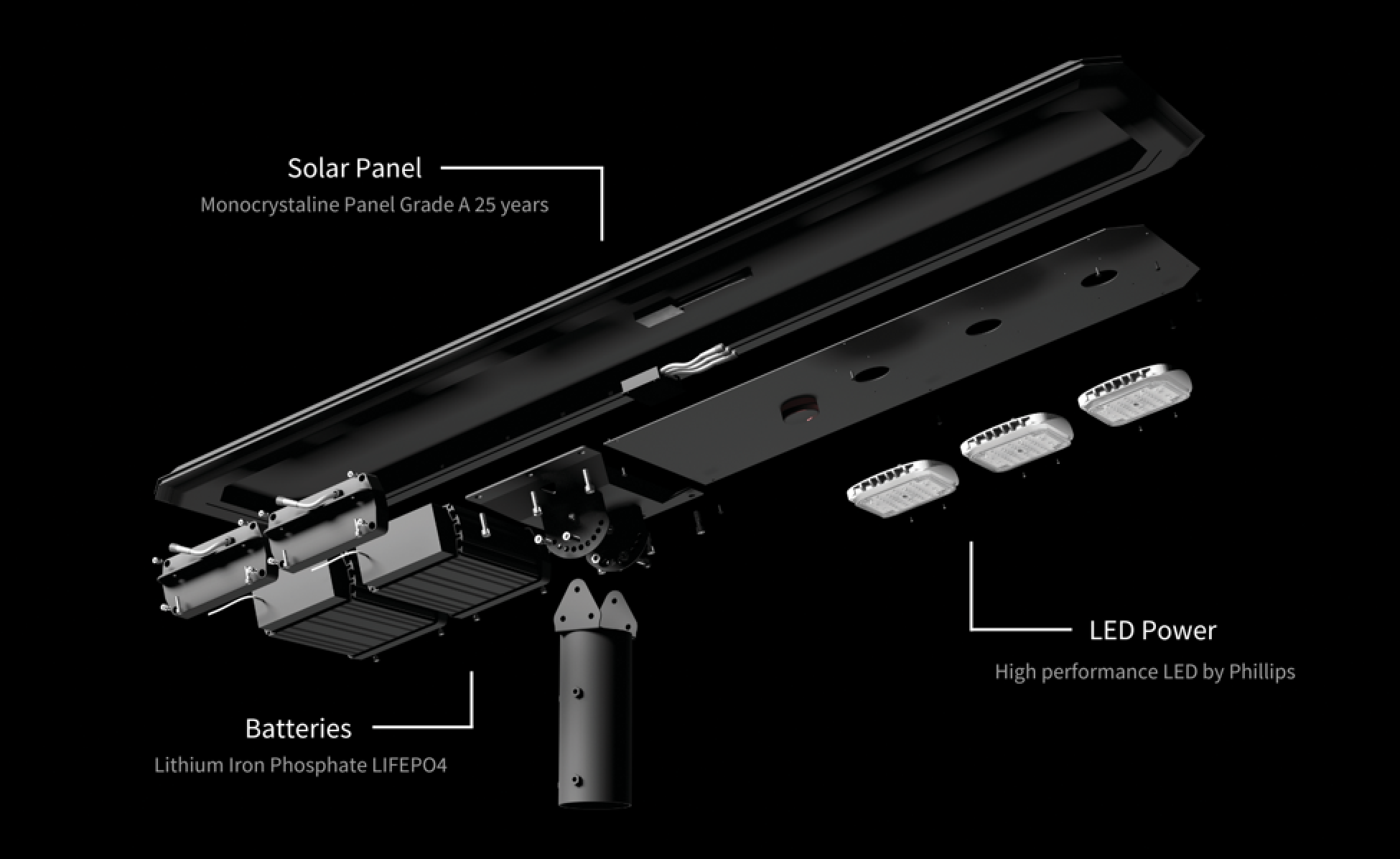
Lithium iron phosphate (LiFePO4) batteries were built for exactly the conditions solar lighting operates in.
They handle deep discharge cycles without the same degradation penalty. They perform across a wide temperature range without significant capacity loss. They're lighter, more compact, and don't require ventilation.
A well-managed lithium system can sustain 2,000 to 3,000 charge cycles before meaningful degradation — compared to 300 to 500 for lead-acid under similar conditions. That's not a marginal improvement. That's a fundamentally different product lifespan.
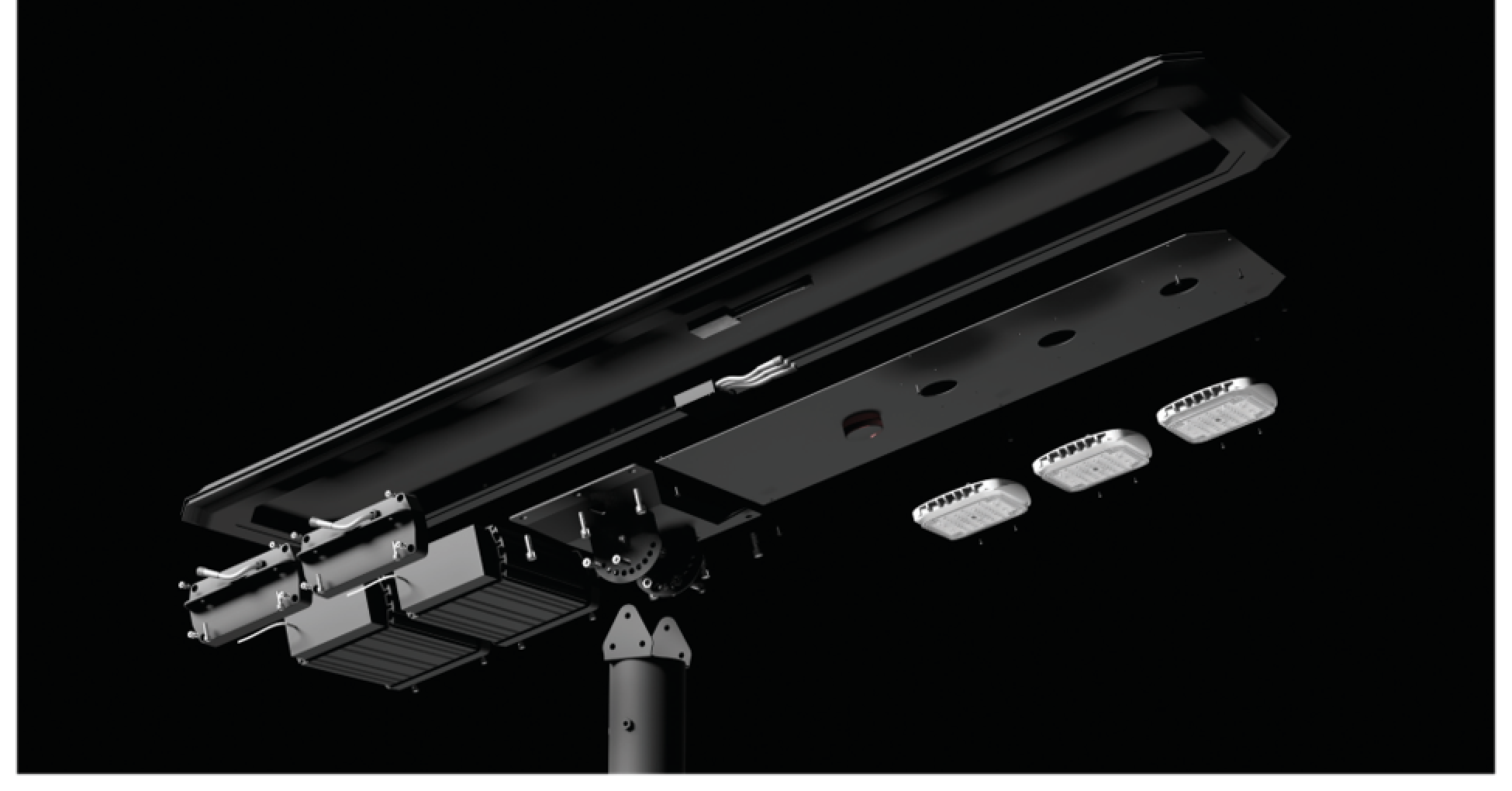
Many solar lighting products are assembled from off-the-shelf components — panel from one supplier, controller from another, battery from a third. The result works until conditions push against the tolerances of one component, and the system underperforms.
Building from the ground up means the battery isn't chosen to fit a price point after everything else is decided. Capacity, discharge curve, thermal behavior, and cycle life are factored into every other design decision.
A lithium-based system has a realistic service life of 10 to 15 years with proper management. A lead-acid system in the same conditions may require battery replacement at year three or four.
Those replacement costs, plus labor, often exceed the initial price difference between the two technologies.
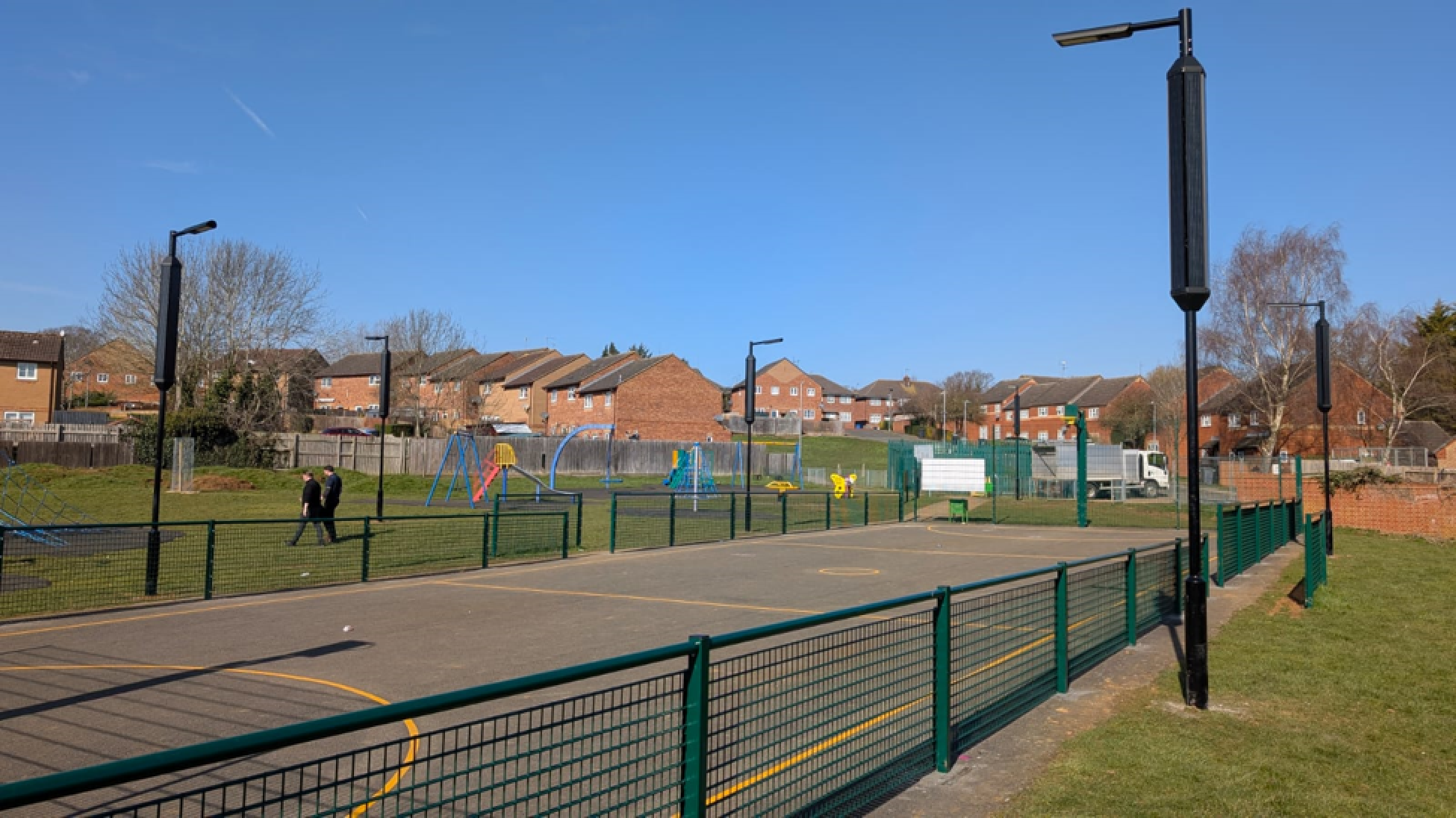
There are contexts where a simpler system makes sense. But for any installation where performance consistency and long-term value matter — roads, pedestrian paths, public spaces, and commercial sites — lead-acid is the wrong starting point.
Lithium isn't a premium add-on. It's the correct foundation. Everything we build starts there.