
When a lighting fixture is selected, most of the conversation centers on output, color temperature, fixture style, and energy performance. The distribution pattern — how the light actually spreads from the source — often receives far less attention than it deserves.
Symmetrical and asymmetrical light distribution are fundamentally different tools. Understanding what each does, and where each belongs, is the difference between a lighting design that performs as intended and one that falls short in the space.
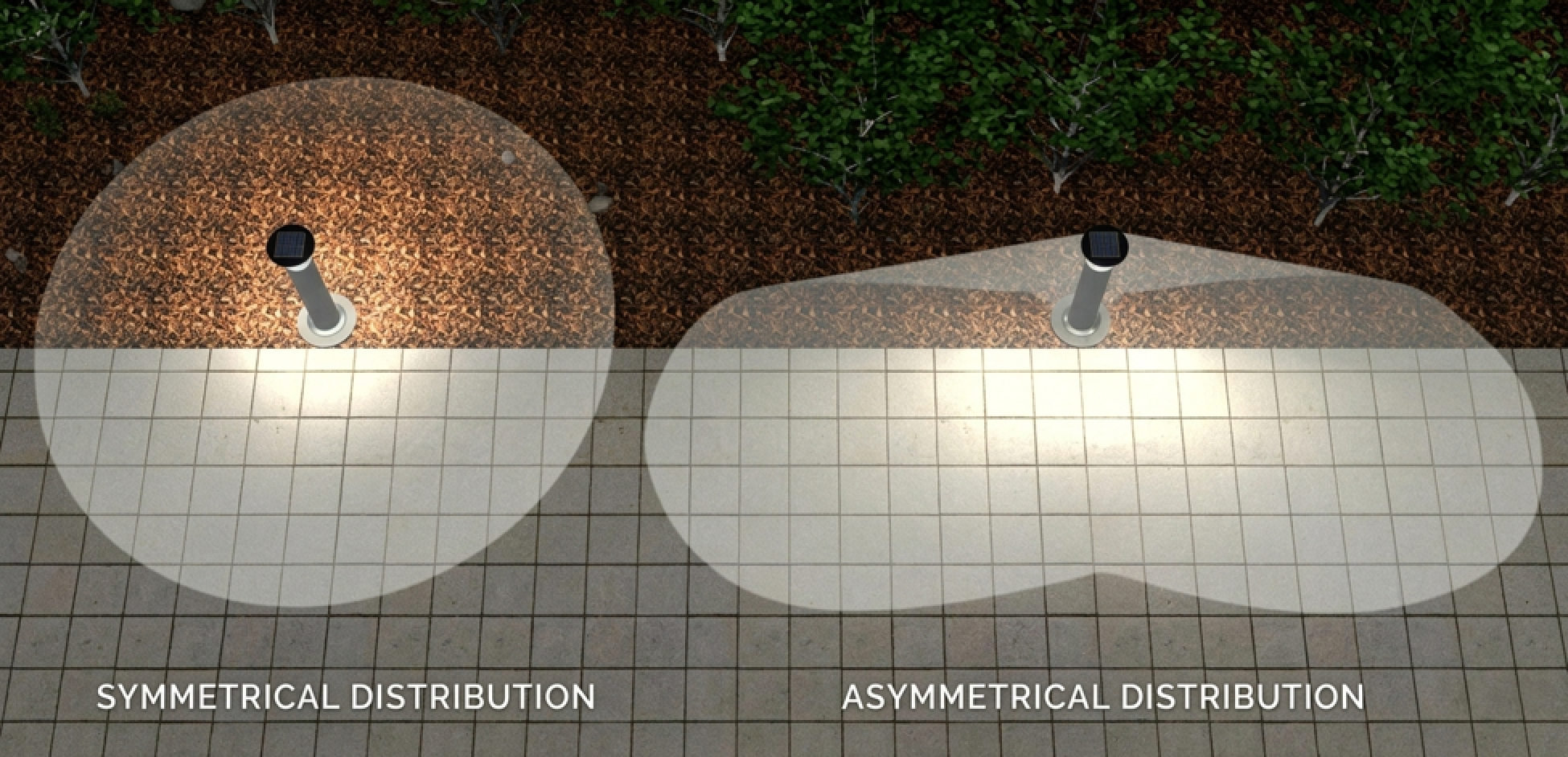
A symmetrical fixture distributes light evenly in all directions from the source. Positioned above a space, it produces a circular or uniform cone of light that spreads equally outward in every direction.
This makes symmetrical distribution well suited to applications where the goal is general, even illumination across an open area such as plazas, courtyards, parks, and residential spaces.
The limitation is precisely that evenness. When a surface, path, or zone needs more light in one direction than another, symmetrical distribution either wastes output or leaves areas underlit.
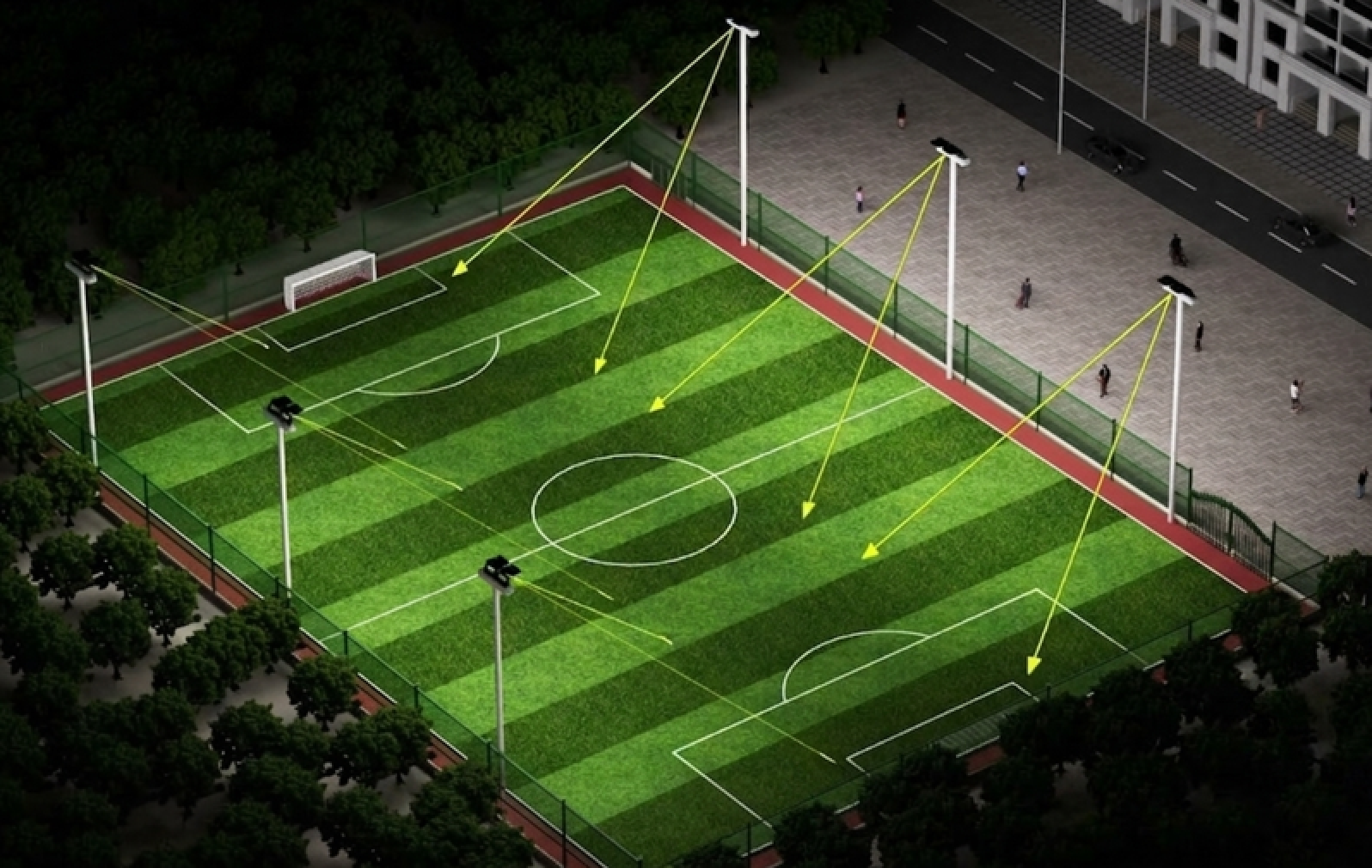
An asymmetrical fixture throws light directionally — more output in one direction than others. The beam pattern is intentionally offset from the center axis of the fixture.
This makes asymmetrical distribution the correct choice for applications where light needs to be directed rather than spread.
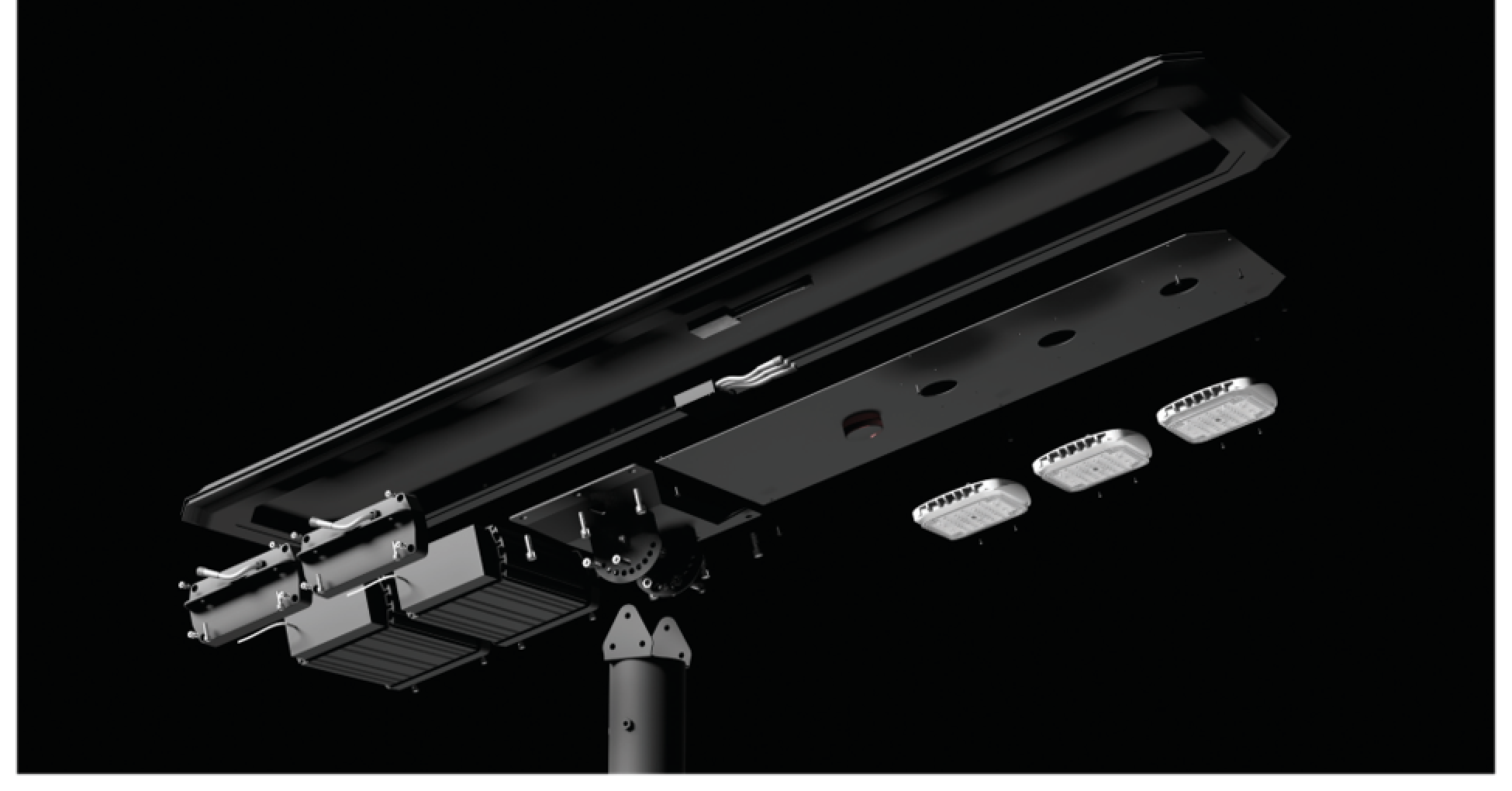
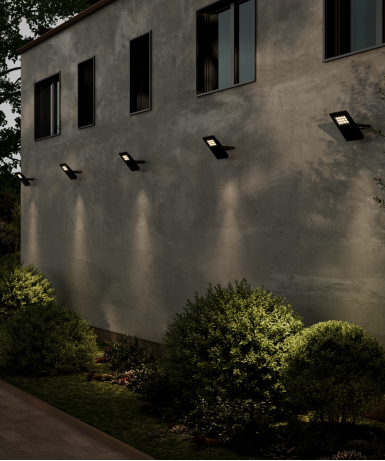
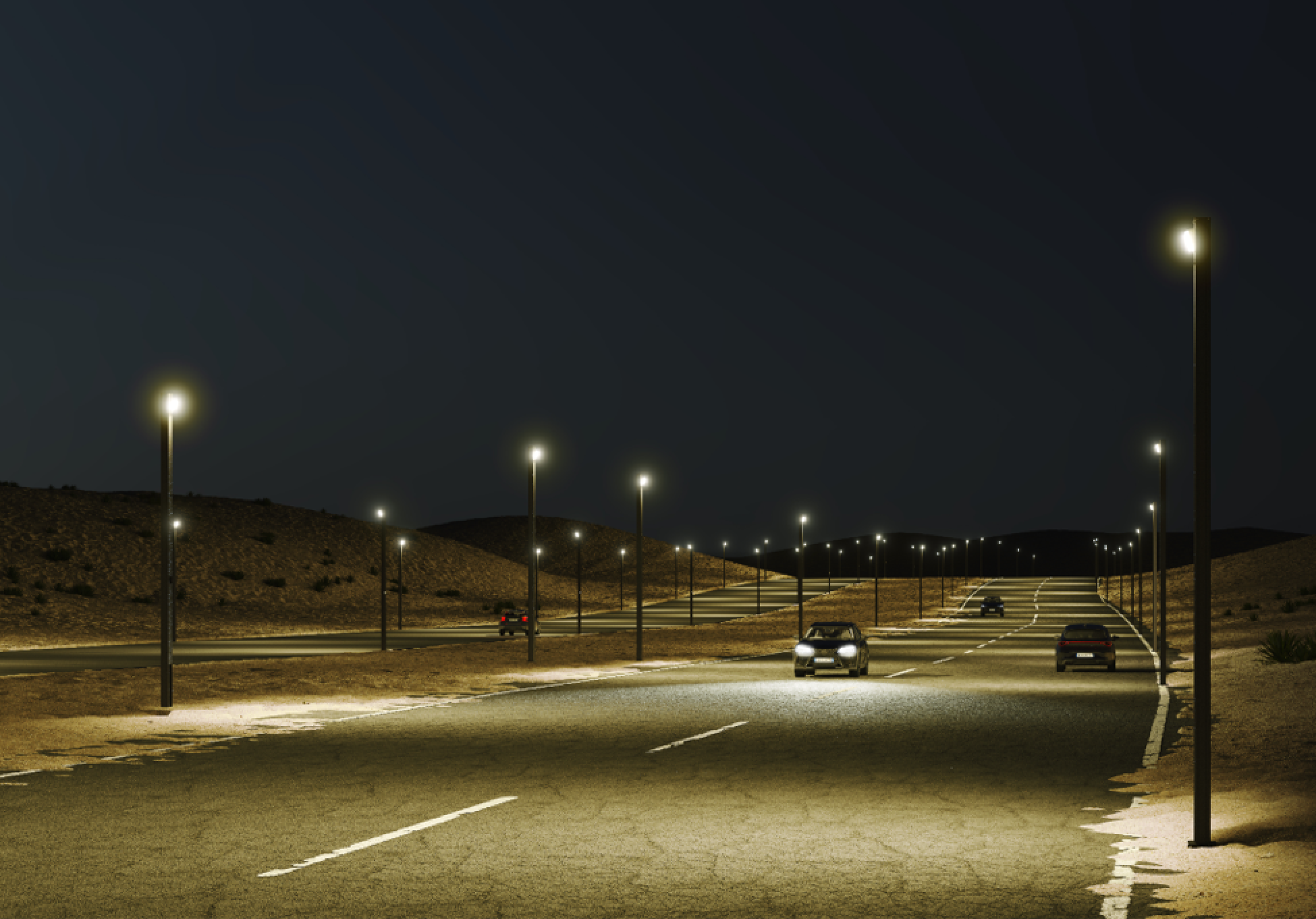
Roadway luminaires, façade lighting, and bollard path lights all benefit from asymmetrical optics because they deliver light where it is needed while limiting spill and glare elsewhere.
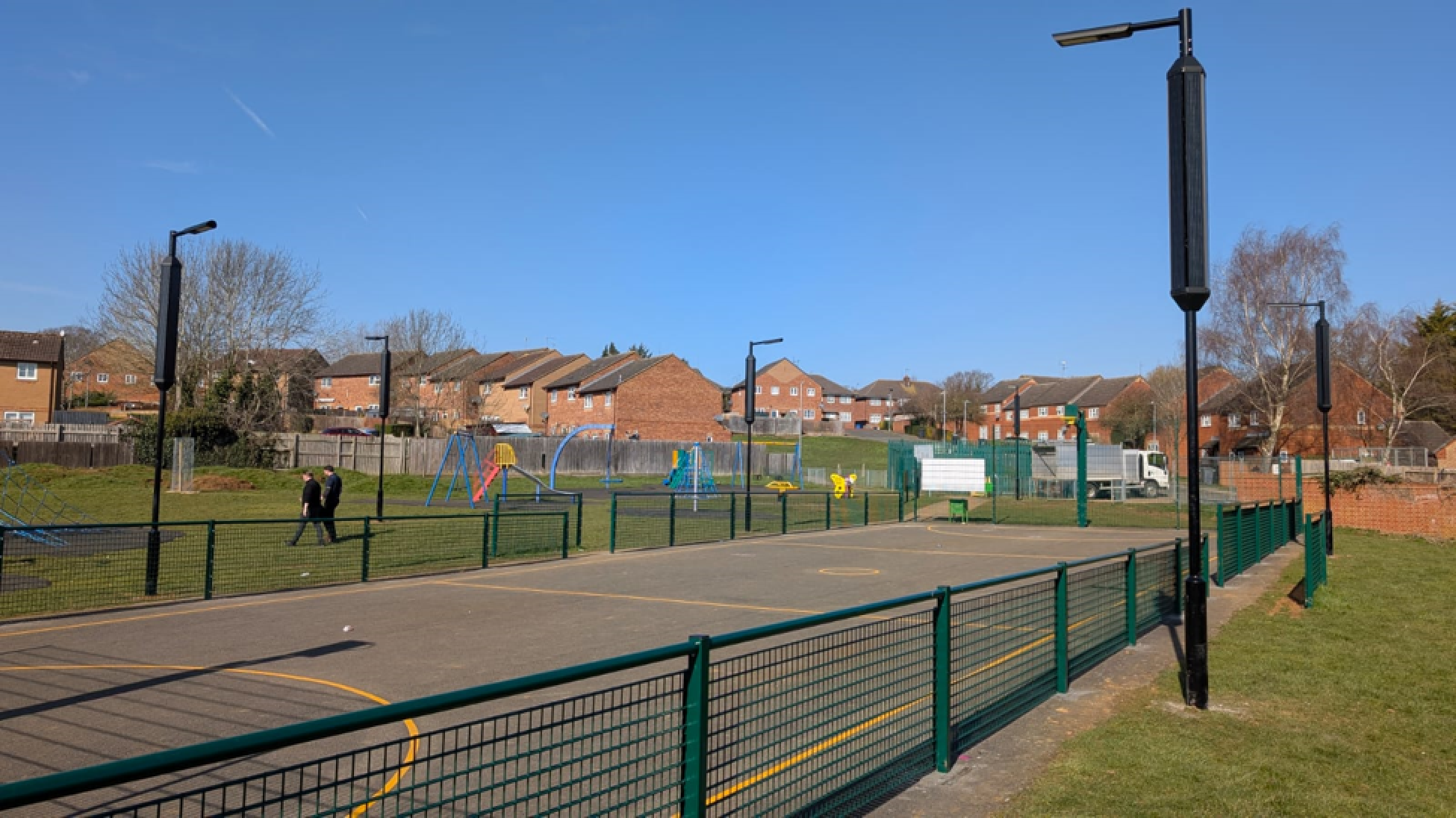
Roads and pathways: Asymmetrical distribution is usually the correct specification because it illuminates the travel surface while minimizing light trespass.
Plazas and open pedestrian areas: Symmetrical distribution works well because even ambient illumination is the primary goal.
Facade and architectural lighting: Asymmetrical distribution is preferred for washing walls, highlighting building elevations, and accenting landscape features.
Parks and landscape zones: Often require a combination of both distribution patterns depending on the application.
The same principles apply indoors. A pendant over a dining table benefits from symmetrical distribution because the goal is even light across the surface below.
A wall washer in a gallery or a cove fixture over a kitchen counter needs asymmetrical distribution to deliver light to the surface rather than back into the room.
Recessed downlights with asymmetrical optics are frequently used to illuminate artwork, shelving, and feature walls without creating glare.
Before selecting a fixture for any application, two questions are worth asking:
If wasted output means glare, light trespass, energy loss, or an underlit surface somewhere else, asymmetrical distribution is usually the right starting point.