
Solar lighting used to be a compromise. You accepted lower output, inconsistent performance, and limited flexibility in exchange for the convenience of going off-grid. That's no longer the case and the shift comes down to two things: adjustable LED modules and smarter solar panel design.
We see it play out on real projects, in real conditions, every time we deploy systems like the AOS Pro and the SSLX Performance.
Traditional solar street lights were built around fixed components — a set panel angle, a set light output, no room to adapt. The result was a system engineered for average conditions that underperformed in anything else. A site with partial shading, an unusual pole height, or a specific illumination target often meant the spec didn't translate to real-world results.
Fixed output also meant energy waste. A light running at full power from dusk to dawn — whether or not anyone is there — drains the battery faster and shortens the system's effective life.
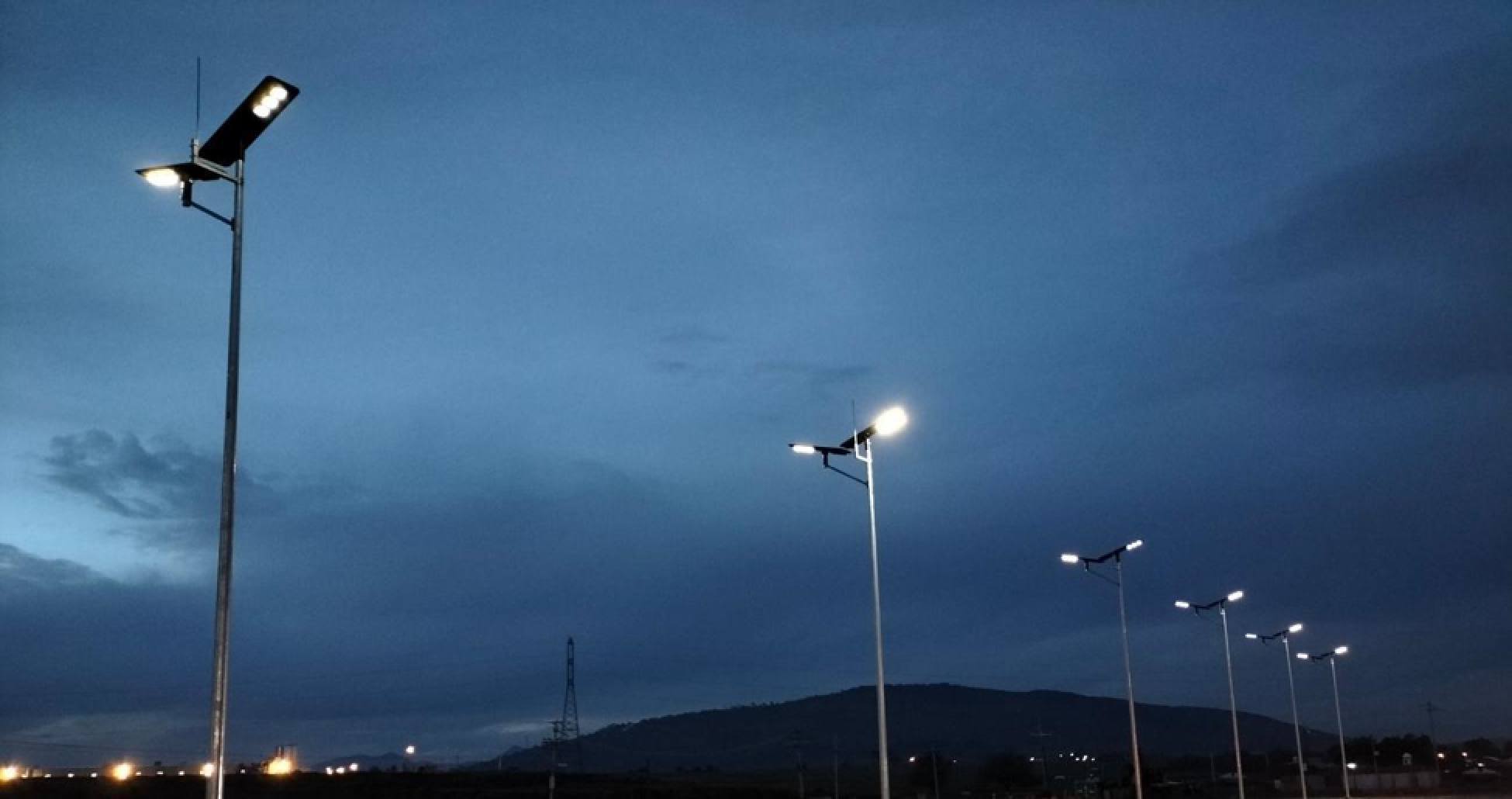
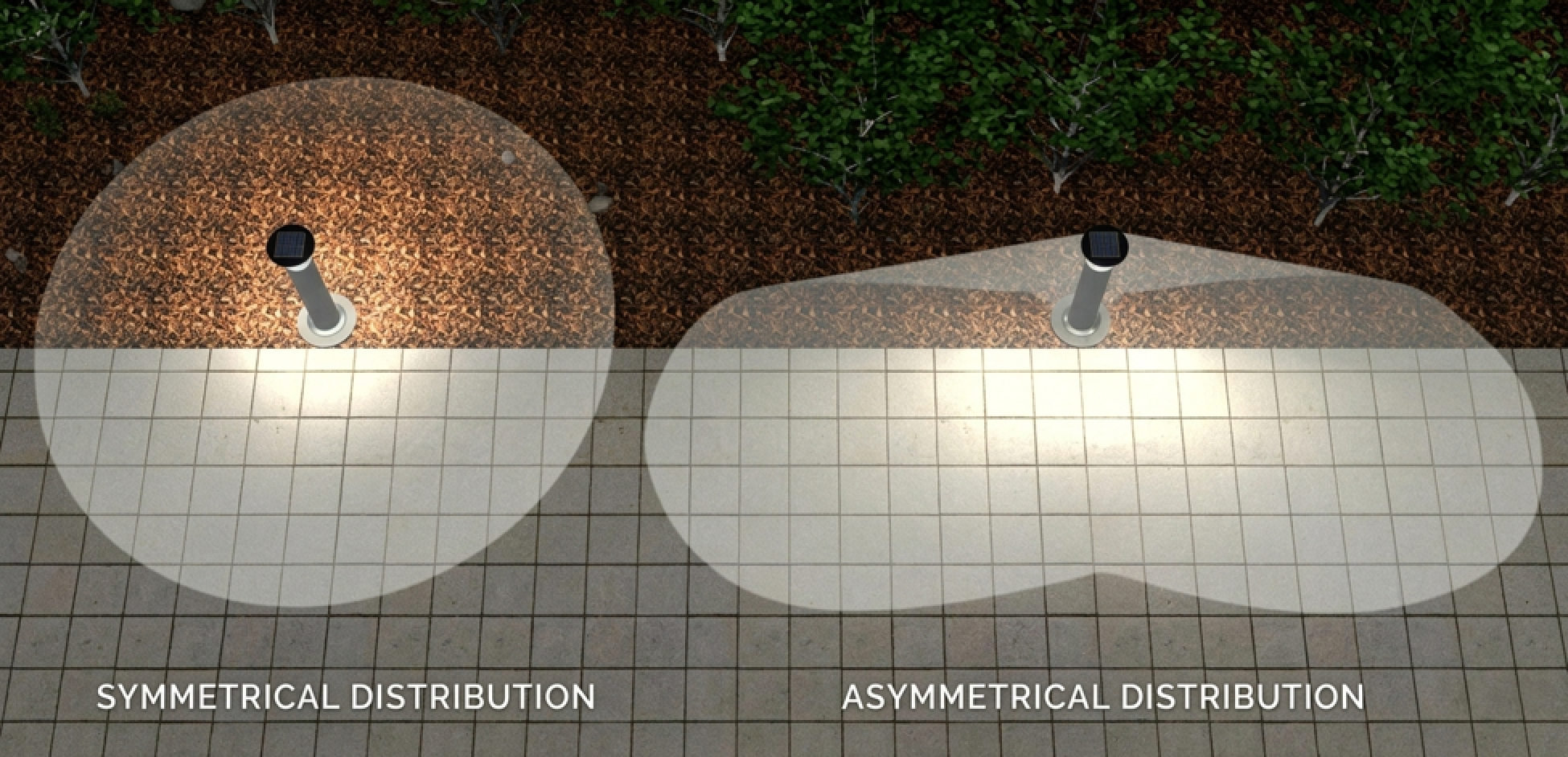
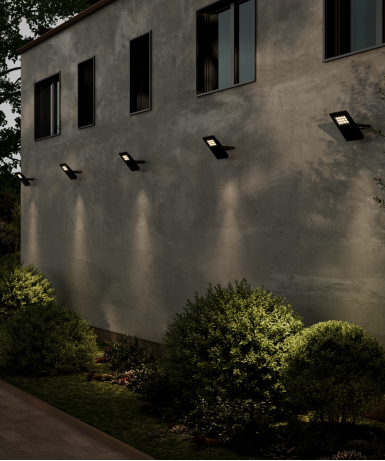
When the LED module is adjustable, you can direct light precisely where it's needed. That matters on roads where the beam pattern needs to follow the lane geometry. It matters in parking areas where coverage gaps are a safety issue. And it matters aesthetically, on pedestrian paths where light spills onto adjacent landscaping is a design concern.
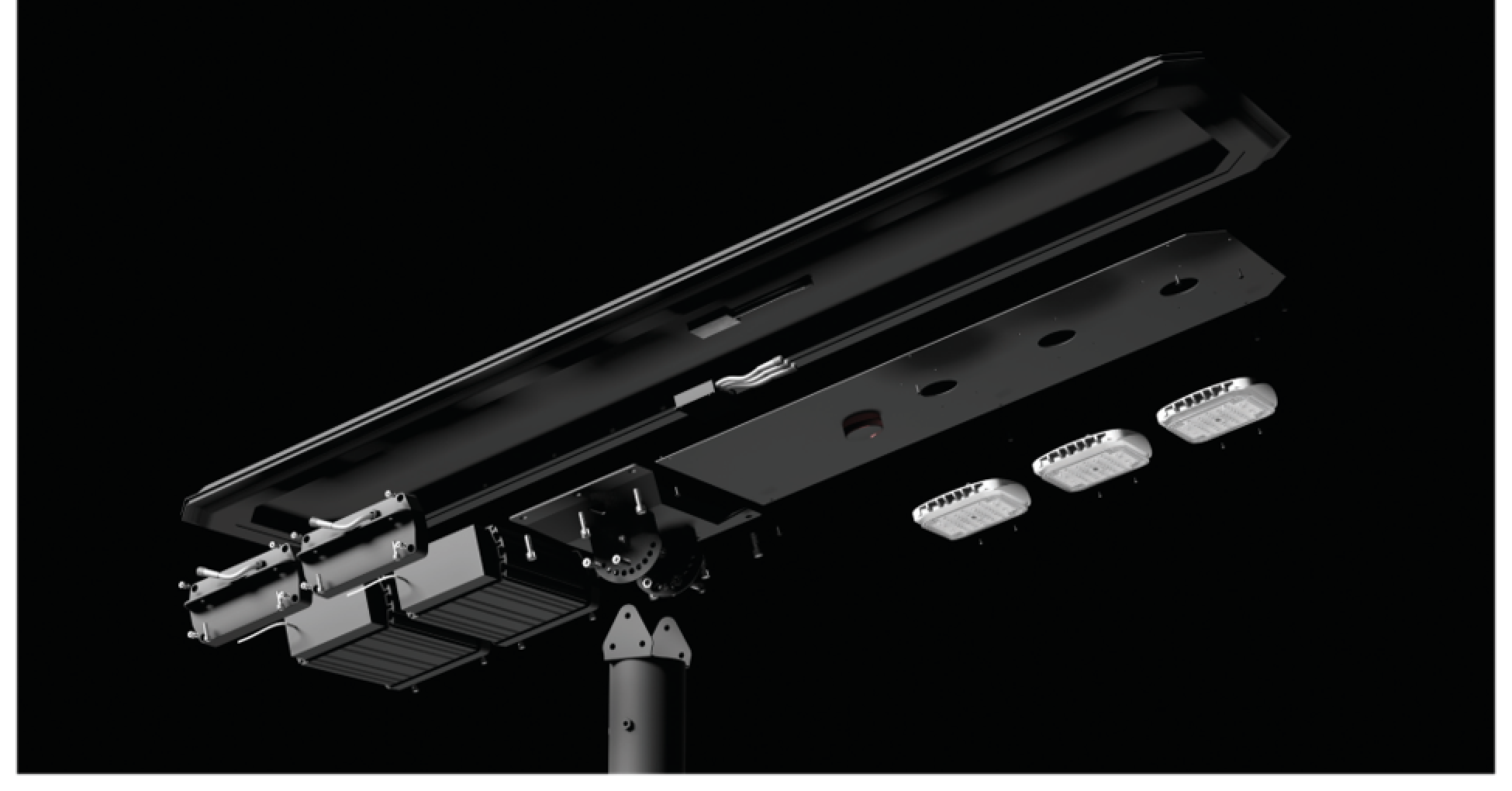
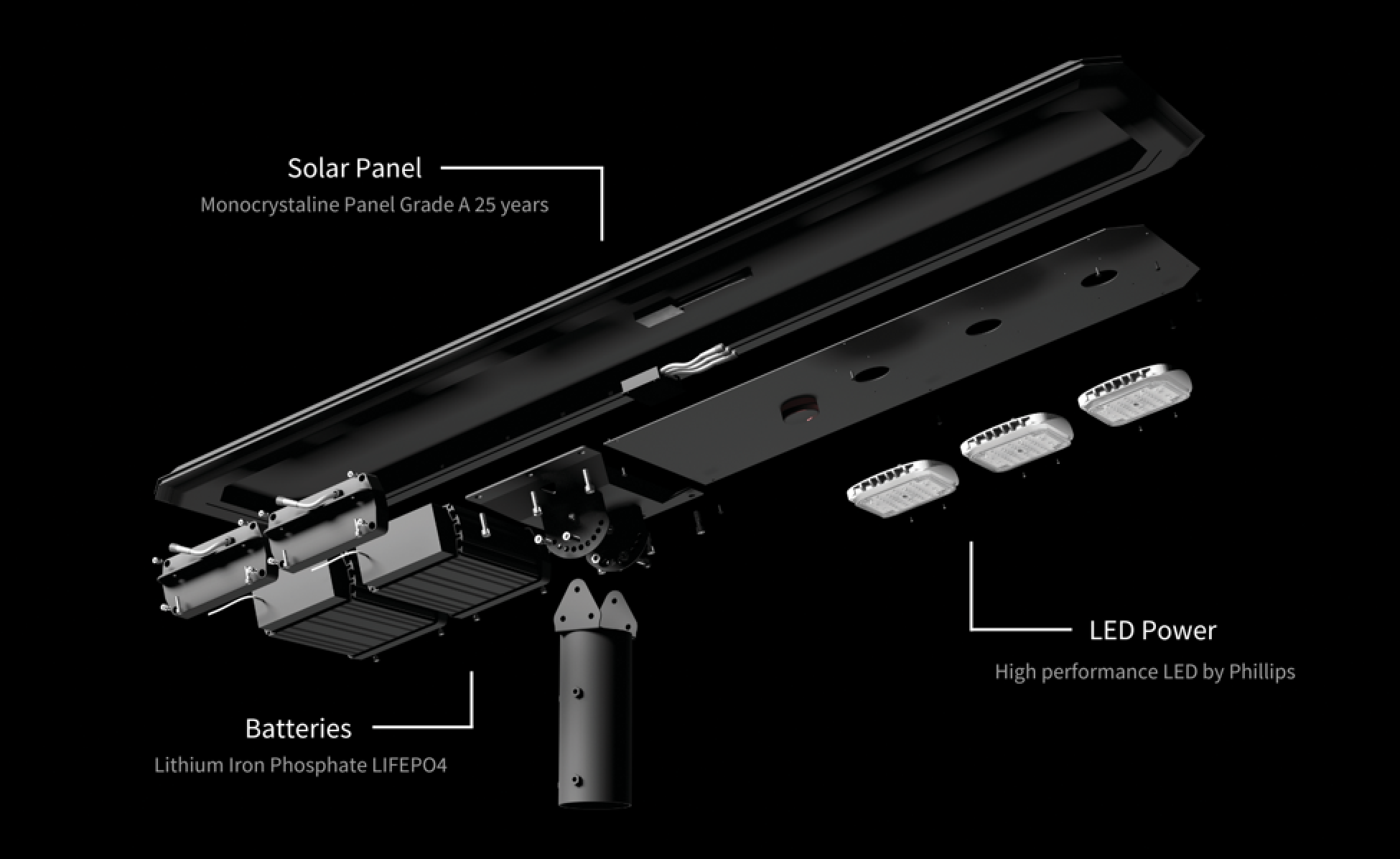
The AOS Pro is a fully integrated solar street light — panel, battery, controller, and LED all in one unit — and its LED module adjusts to match the installation conditions. A lower mounting height, a wider road, a different pole offset: the system adapts rather than forces a workaround.
Pair that with motion sensor capability, and you have a light that runs at reduced output when an area is empty and brightens on demand. That's the difference between a battery that lasts through a cloudy week and one that doesn't.
Solar panels are most efficient when facing the sun at an optimal angle — and that angle isn't the same in every climate or at every latitude. A fixed panel installed in northern Europe and one installed in Mexico shouldn't be set the same way. But in many fixed systems, they are.
The SSLX Performance addresses this directly. Built on the same design and component quality as the SSLX Pro, it offers a streamlined form with a panel configuration designed to maximize collection across a wide range of geographic conditions — without the added complexity or cost that would make it inaccessible for budget-conscious projects.
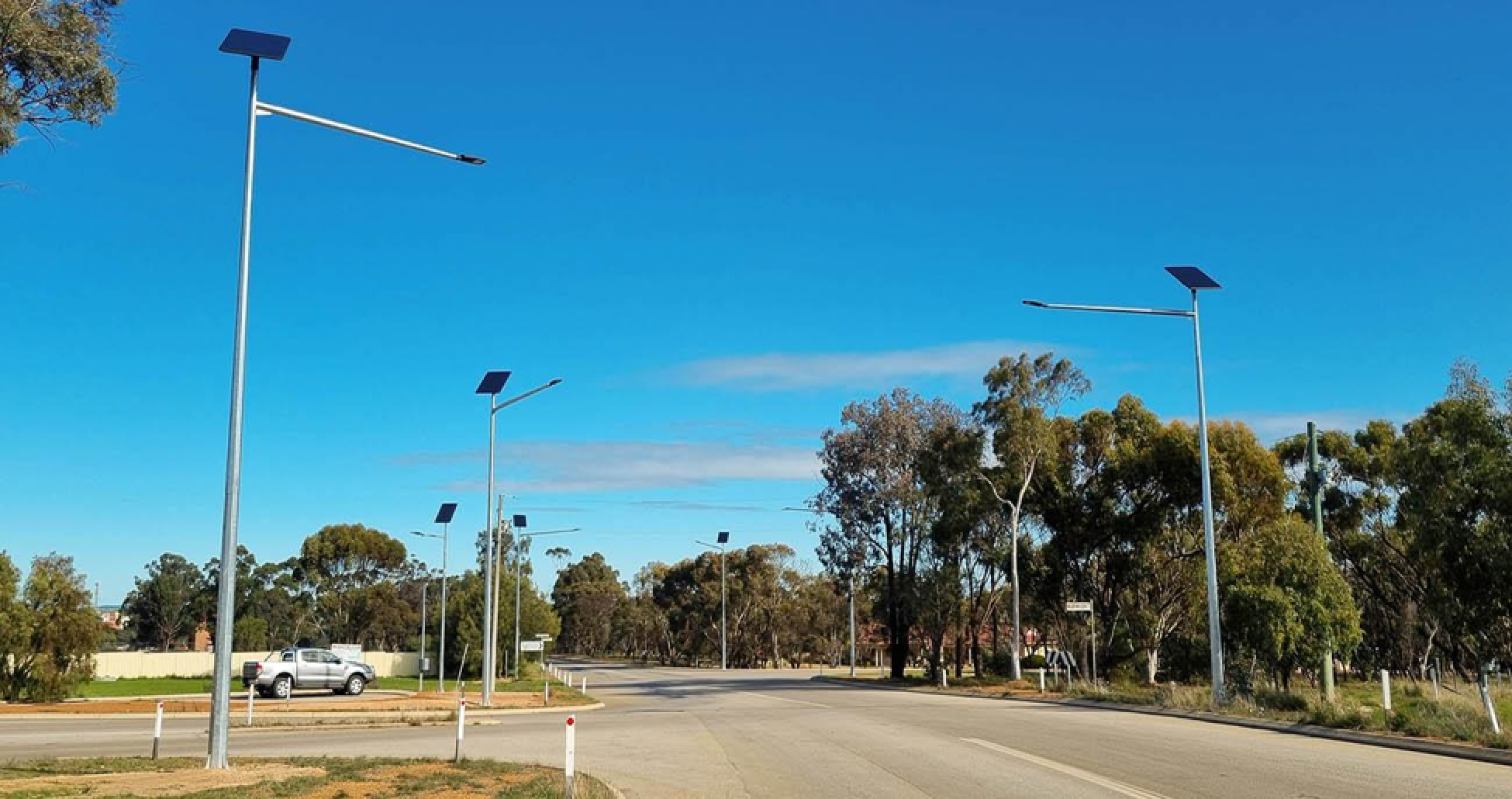
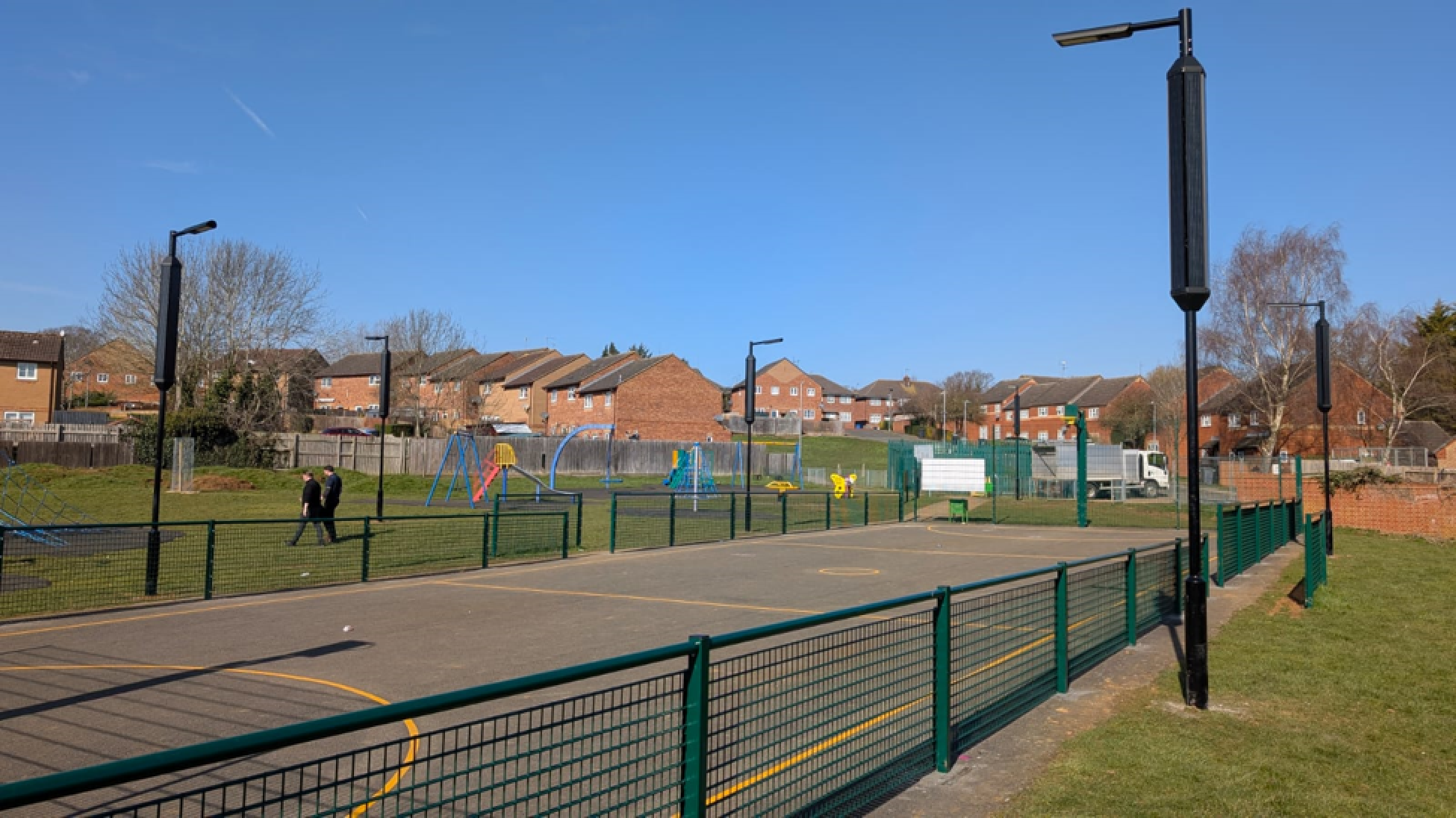
The AOS Pro and the SSLX Performance aren't the same product — they solve for different scales and installation contexts. The AOS Pro is compact, fully self-contained, and simple to install, making it well suited for pathways, parking areas, residential streets, and any site where getting infrastructure in the ground quickly is a priority.
The SSLX Performance steps up in output and panel surface area, making it the right choice for wider roads, larger open areas, or any application where sustained high performance matters and cost efficiency still needs to be maintained.
What they share is the underlying design philosophy: adjustability where it counts, quality components throughout, and performance that holds up beyond the first year of operation.
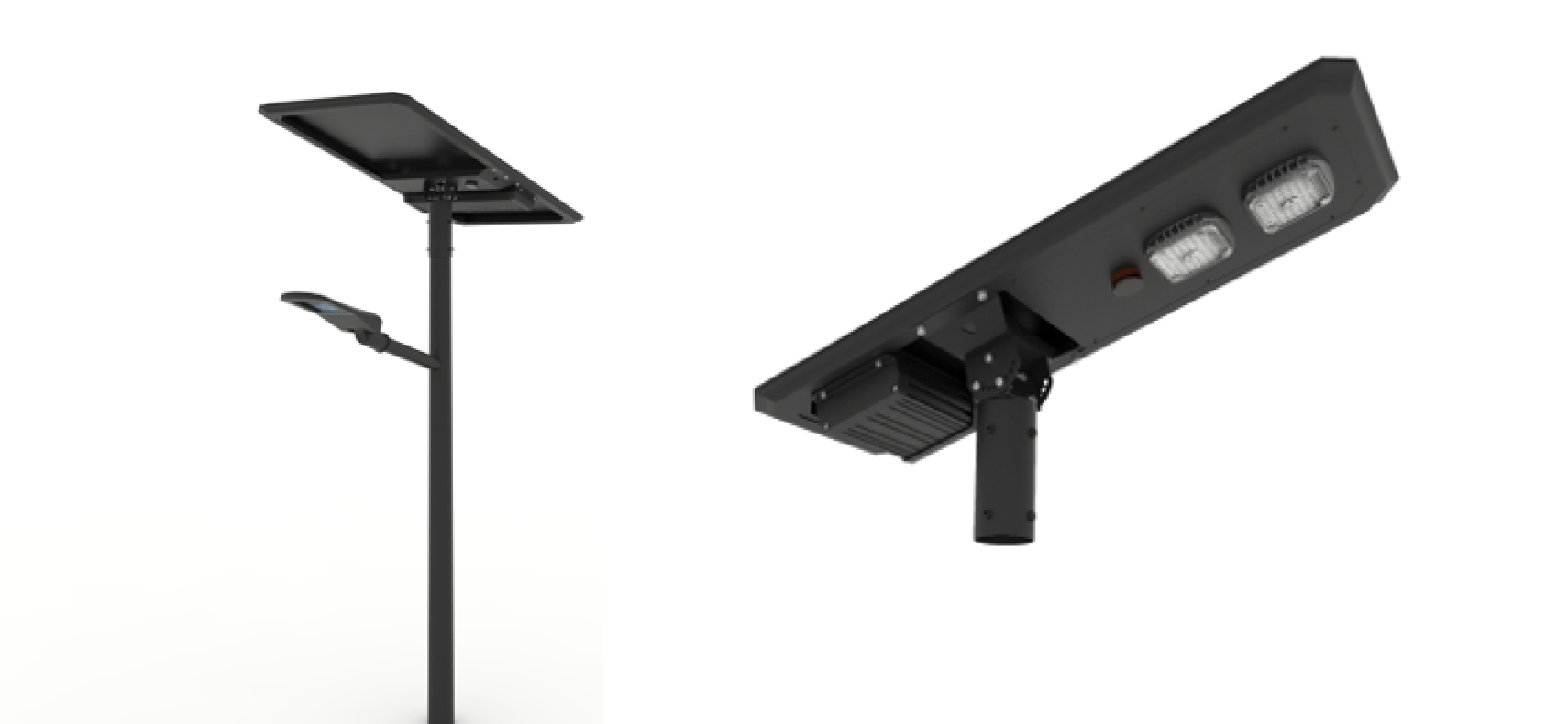
Adjustable LED solar systems close the gap between what gets drawn and what gets built. The flexibility to fine-tune beam angle and output means the lighting simulation actually reflects what the site will look like — and that's a conversation worth having early in the design process.
The efficiency gains from adjustable output and optimized panel angles aren't marginal. They translate directly to longer battery life, fewer maintenance calls, and a system that performs consistently over a 10 to 15 year service life.
Solar lighting is about building smarter, more adaptable systems that perform on their own terms. The AOS Pro and SSLX Performance are where that starts.